
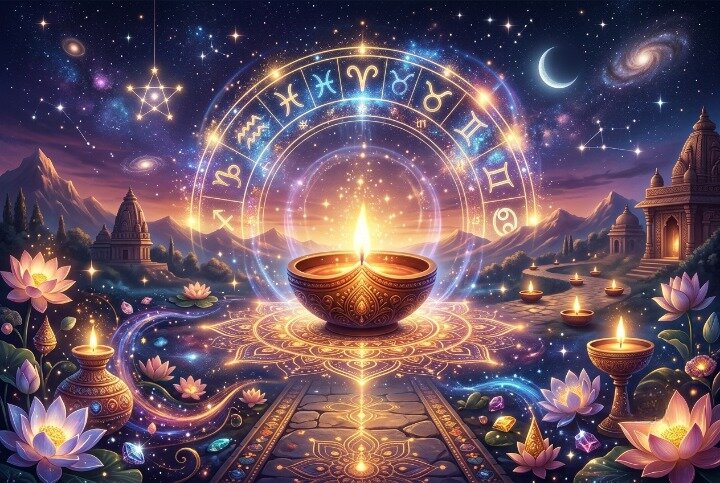
 Diwali is widely recognised through illuminated homes, traditional rituals, family gatherings and expressions of goodwill. Yet the enduring significance of the festival extends beyond its visible celebrations. Across different communities and traditions, light carries meanings connected with hope, knowledge, renewal and the movement away from darkness. These interpretations offer an opportunity to examine how celebrations influence personal reflection and everyday conduct.
Human beings have long used rituals to mark transitions, preserve collective memory and strengthen social relationships. Repeated symbolic actions can create a sense of continuity between generations. Lighting a diya, preparing a familiar meal or gathering for prayer may connect present experiences with memories, family identity and inherited values. The meaning comes not only from the action itself but also from the attention and intention brought to it.
Festivals can also create psychological space for reflection. Ordinary routines often leave little time to consider which habits, expectations or emotional burdens deserve reconsideration. A meaningful occasion interrupts that routine and offers a natural moment to ask what should be carried forward and what might be left behind. This does not require dramatic transformation; even a modest change in behaviour can represent a useful beginning.
The social dimension of celebration is equally important. Shared meals, visits, greetings and acts of generosity can reinforce relationships when they are approached with sincerity. At the same time, festivals may bring pressure related to expenditure, family expectations or comparisons with others. Recognising these pressures allows people to protect the spirit of togetherness without assuming that every celebration must be elaborate.
In traditional Jyotish, today’s Panchang places the Moon in Tula Rashi under Swati Nakshatra, with Ayushmana Yoga giving way to Saubhagya Yoga. The movement from Krishna Chaturdashi towards Amavasya coincides with the festival’s familiar symbolism of light against darkness. These associations provide a cultural and philosophical framework for reflection. They should not be interpreted as scientific evidence that planetary positions directly determine emotional states or human behaviour.
The symbolism of light becomes especially useful when translated into practical choices. Clarity may mean addressing a misunderstanding. Generosity may involve helping someone without seeking recognition. Renewal may begin by changing an unhelpful routine, while gratitude may simply involve acknowledging the people whose efforts support daily life. Such actions give personal substance to values that are often expressed through festive rituals.
Today’s reflection therefore encourages a celebration that honours both tradition and conscious living. Enjoy the beauty of illuminated surroundings, participate in meaningful customs and appreciate moments of companionship. But also consider what the festival inspires you to practise after it ends. The lasting value of light lies not only in how brightly it shines for one evening, but in what it helps us recognise and preserve.
A diya may illuminate a room for a few hours, but the awareness it inspires can influence the choices we make long after the flame has faded.
Top 10 famous astrologer in Delhi
www.ShankerStudy.com – ‘Bridging Ancient Wisdom with Modern Astrology’
Tag2Adawal.blogspot.com – ‘Blending Astro Stories with Soulful Simplicity – Best Astrologer in Delhi
www.ShankerAdawal.com – ‘Profile of Success: Vedic Wisdom and Business Strategy’
www.AskShanker.Com – ‘Discover the truth – ask one burning question based on your Horoscope!’
www.shrikrishnapravahashram.org – Serving Souls & Healing with Compassion: Empowering Girls, Upholding Tradition, and Offering Food to Every Guest – ‘Atithi Devo Bhava’!